Introduction
In the world of nicotine products, snus (pronounced “snoos”) stands out as a unique and often misunderstood category. Originating from Sweden, it has gained global attention as a smoke-free alternative. This article provides a basic explanation of what snus is and how it distinctly differs from other smokeless tobacco products like chewing tobacco, naswar, and modern nicotine pouches.
What is Snus? The Basics
Snus is a moist, finely ground smokeless tobacco product. Unlike cigarettes, it is not smoked or burned. Instead, a small portion is placed under the upper lip for an extended period, typically between 20 to 60 minutes.
The nicotine and flavors are released and absorbed directly into the bloodstream through the mucous membranes in the mouth. This provides a sustained nicotine release without the harmful effects of combustion and inhalation of smoke.
There are two primary forms of snus:
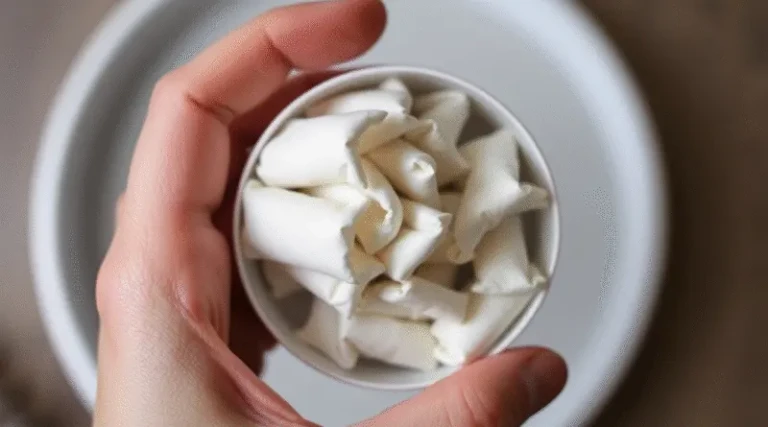
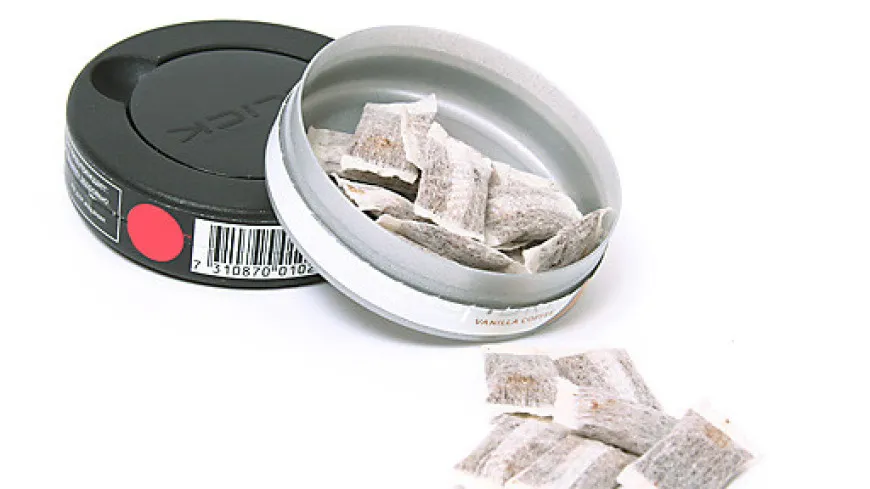
- Portion Snus: The most popular and user-friendly form. The tobacco is pre-packaged in small, teabag-like pouches made of a soft, porous material. Portion snus comes in two main subtypes:
- Original Portion: Moist and dark, offering a faster release of flavor and nicotine.
- White Portion: Feels drier and is more discreet. It releases flavor and nicotine more slowly and gently.
- Loose Snus (Lös): A moist, ground tobacco that is pinched and shaped by the user into a small ball (called a “prilla”) before placing it under the lip. It offers a stronger flavor and nicotine hit but is less convenient.
A key differentiator of traditional Swedish snus is its production method. It undergoes a process called pasteurization (steam-heating), which significantly reduces the formation of Tobacco-Specific Nitrosamines (TSNAs)—a group of potent carcinogens found in higher levels in other tobacco products that are fire-cured or fermented.
It is crucial to understand that while snus is considered a harm reduction product compared to cigarettes due to the absence of smoke, it is not risk-free. It contains nicotine, which is highly addictive, and its use is associated with potential health risks, including an increased risk of pancreatic cancer, cardiovascular diseases, and gum recession.
How Snus Differs from Other Smokeless Products
The market for smoke-free nicotine is diverse, and terms are often used interchangeably incorrectly. Here’s how snus compares to its counterparts.
| Feature | Snus (Swedish) | Chewing Tobacco (e.g., American) | Naswar / Nās (Central Asian) | Nicotine Pouches (e.g., ZYN, Velo) |
|---|---|---|---|---|
| Composition | Pasteurized tobacco, water, salt, humectants, food-grade flavorings. | Fermented, fire-cured or air-cured tobacco leaves, often sweetened. | Tobacco, ash, oil, and slaked lime (calcium hydroxide) or other alkaline agents. | Tobacco-free. Contains nicotine (synthetic or extracted), plant fibers (e.g., cellulose), fillers, and flavorings. |
| Usage Method | Placed under the upper lip. No need to spit. | Chewed or held in the cheek. Requires constant spitting. | Placed under the tongue or lower lip. Spitting is required. | Placed under the upper lip, identical to portion snus. No need to spit. |
| Production & Regulation | Industrial, standardized, and strictly regulated under Swedish food safety laws. | Industrial but follows different manufacturing processes (fermentation). | Often artisanal, unregulated, and produced with no quality control, leading to high contaminant levels. | Industrial and regulated, but legal status varies by country as it is not a “tobacco product” in many jurisdictions. |
| Key Differentiator | Pasteurization process reduces specific carcinogens. Designed for discreet use without spitting. | Fermentation process creates higher levels of TSNAs. The act of chewing and spitting is integral. | The addition of highly alkaline lime dramatically increases nicotine absorption but also the levels of harmful chemicals. | Contains no tobacco, thus eliminating all tobacco-specific harmful compounds. The health risks are primarily associated with nicotine itself. |
| Relative Risk Profile | Considered less harmful than smoking and many other smokeless tobaccos due to manufacturing. | Carries a high risk of oral, esophageal, and pancreatic cancer. | Considered extremely hazardous due to unregulated production, alkaline additives, and high toxin levels. | Generally considered the least harmful option in this comparison due to the absence of tobacco. |
Summary of Key Differences
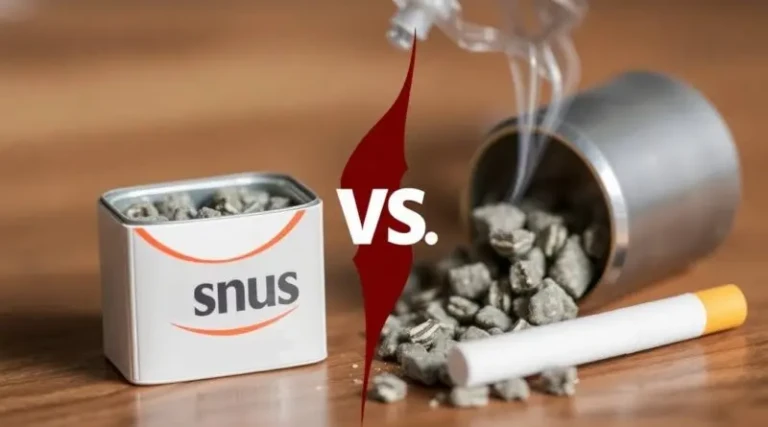
- Snus vs. Chewing Tobacco: The main differences lie in the manufacturing (pasteurization vs. fermentation), usage (no spit vs. required spit), and resulting toxin levels. Snus is designed to be discreet.
- Snus vs. Naswar: Naswar is typically a homemade, unregulated product with alkaline additives that make it far more aggressive and hazardous than regulated snus.
- Snus vs. Nicotine Pouches: This is the most common confusion. The critical difference is the presence of tobacco. Snus contains pasteurized tobacco, while nicotine pouches contain only nicotine and other non-tobacco ingredients. Nicotine pouches are often marketed as a next-step alternative, further removing tobacco from the equation.
Conclusion
Snus is a unique smokeless tobacco product with a specific cultural origin and a controlled production method that distinguishes it from other similar products. While it presents a reduced-risk profile compared to smoking, it is not harmless. Understanding the clear distinctions between snus, chewing tobacco, naswar, and nicotine pouches is essential for making an informed choice about nicotine use.