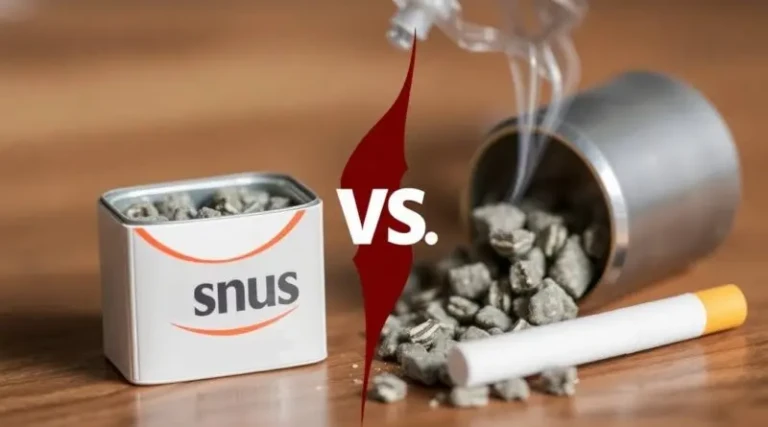

The Swedish tobacco product snus, along with tobacco-free nicotine pouches, is often considered a less harmful alternative to cigarettes, but its addictive potential is frequently underestimated. Nicotine addiction develops gradually and can occur even with moderate snus use. The small pouches, placed under the upper lip, continuously release nicotine through the oral mucosa, creating ideal conditions for dependence.
The popularity of snus is steadily rising in Germany. Products like nicotine pouches available in Germany are used primarily by young adults as a discreet alternative to smoking. But what starts out as harmless can quickly turn into an addiction. Current studies show alarming trends: the nicotine concentrations in modern snus products can exceed those of a cigarette by multiples.
What’s insidious about snus addiction is its inconspicuousness. Unlike smoking, there is no visible smoke, no bothersome odors, and no social restrictions. Users can consume practically anywhere, unnoticed. This characteristic often leads to increased and uncontrolled use, which fosters the development of an addiction.
The 7 Most Important Warning Signs of Snus Addiction
Timely recognition of dependency signals is crucial for successful intervention. These scientifically supported warning signs aid in self-assessment:
The 7 Critical Warning Signs:
- Increased Consumption Frequency: Using more than 6-8 pouches daily or feeling the need to use a new pouch every 1-2 hours.
- Morning Cravings: The first thought upon waking is about snus, and the first pouch is used within the first 30 minutes of waking up.
- Loss of Control: Unsuccessful attempts to reduce consumption or take longer breaks, despite a conscious desire to do so.
- Tolerance Development: Needing stronger varieties or larger quantities to achieve the desired effect.
- Withdrawal Symptoms: Experiencing restlessness, irritability, difficulty concentrating, or headaches when attempting to quit.
- Social Impairment: Neglecting social activities or experiencing conflicts due to snus use.
- Secretive Use: Hiding the true extent of consumption from family, friends, or colleagues.
These warning signs rarely appear in isolation. Usually, a pattern of several symptoms develops, indicating a manifest dependency. Particularly the combination of morning cravings and loss of control is a strong indicator of a nicotine addiction requiring treatment.
The intensity of the warning signs varies considerably among users. While some develop initial signs of dependency after just a few weeks of regular use, others only notice the gradual change after months. Factors such as age, metabolism, psychological state, and the chosen nicotine strength significantly influence the speed at which the addiction develops.
The societal trivialization of snus is particularly problematic. Because no combustion occurs and there are no visible emissions, snus is often not perceived as a “real” addictive substance. This misjudgment leads to users recognizing the development of an addiction too late or completely overlooking it.
The Scientific Background of Nicotine Addiction
Nicotine dependence is based on complex neurobiological processes. Nicotine binds to acetylcholine receptors in the brain and triggers the release of dopamine in the reward system. This mechanism generates positive feelings and reinforces the craving for repeated use. Scientific studies, such as the DEBRA study, systematically document these dependency patterns in the German population.
How Nicotine Affects the Brain
With regular snus use, the brain adapts to the continuous nicotine supply. The number of nicotine receptors increases, while natural dopamine production decreases. According to researchers at the LMU Klinikum, “tobacco-free nicotine pouches can deliver high amounts of nicotine – in some products, even higher doses than tobacco cigarettes.”
These neurobiological changes explain why snus users often need to consume more to achieve the same effect. The vicious cycle of tolerance development and increased consumption progressively strengthens the dependency.
Practical Self-Test for Snus Users:
- Frequency Test: Count all pouches used over one week.
- Timing Test: Note the time between waking up and the first snus use.
- Abstinence Test: Try going one day without snus – do withdrawal symptoms appear?
- Strength Test: Can you achieve the same satisfaction with weaker products?
A practical example: A 25-year-old student noticed he had increased from an initial 2-3 pouches daily to 12-15 pouches. Despite several attempts to reduce, he couldn’t sustainably decrease his consumption. This progression is typical of a developed nicotine addiction.
The speed of addiction development surprises many users. While it often takes years for a severe dependency to form with cigarettes, a treatable addiction can develop within just a few months with high-dose snus products. Modern nicotine pouches sometimes contain 20-50 mg of nicotine per portion – equivalent to the nicotine content of 2-4 cigarettes in a concentrated form.
The continuous nicotine delivery through the oral mucosa acts as an amplifier. While nicotine is absorbed in bursts when smoking, snus provides a steady release over 15-60 minutes. This constant nicotine supply intensifies the neurobiological adaptation processes and significantly accelerates the development of dependence.
When Professional Help Becomes Necessary
Nicotine addiction is a recognized illness that requires professional treatment. According to data from the German Central Office for Addiction Issues (DHS), “signs of tobacco dependence are detectable in 4.4 million 18- to 64-year-olds in Germany.”
Treatment is recommended if several warning signs occur simultaneously or if the level of distress increases. Modern therapeutic approaches combine behavioral therapy with medicinal support and achieve significantly higher success rates than willpower alone.
Understanding the complex triggers for snus use is also important. Many users reach for a nicotine pouch in stressful situations, when facing concentration problems, or out of boredom. These behavioral patterns must be specifically addressed in therapy to achieve sustainable abstinence. Without addressing the psychological components, the probability of relapse is over 80%.
Group therapies have proven particularly effective, as those affected can share experiences and motivate each other. The social aspect of addiction treatment is often underestimated, even though it contributes significantly to therapy success. Relatives should also be included in the treatment process, as they can provide important support.
Recommended Actions if Addiction is Suspected:
- Documentation: Keep a consumption diary for at least one week.
- Specialist Consultation: Consult a doctor specialized in addiction medicine.
- Support: Inform trusted people about your decision to change.
- Alternatives: Develop healthy coping strategies for stress and boredom.
- Patience: Expect several attempts – relapses are normal and not a failure.
Recognizing a nicotine addiction is the first step towards recovery. Modern treatment methods offer good prospects for success, provided those affected seek professional help. The German Federal Ministry of Health confirms that “without support, up to 95% of quit attempts fail within a year,” while professional guidance significantly increases the chances of success. Don’t wait for health-related sequelae to appear – act proactively at the first warning signs.
Early intervention is crucial, as nicotine addiction solidifies over time. The longer the dependency exists, the more difficult withdrawal becomes. Specialized addiction clinics offer individually tailored therapy programs that address both the physical and psychological components of dependency. Modern approaches combine medicinal support with behavioral therapy and achieve abstinence rates of over 30% after one year.
Frequently Asked Questions (FAQ)
How quickly can a snus addiction develop?
A nicotine dependency can develop after just a few weeks of regular use. With high-dose products containing over 20 mg of nicotine per pouch, initial signs of dependency can appear within 10-14 days. The individual speed of development depends on factors like age, metabolism, and consumption patterns.
Can you become addicted even with low snus consumption?
Yes, an addiction can develop even with seemingly moderate consumption. The key factor is not just the quantity, but also the regularity. Even 3-4 pouches daily over several weeks can lead to neurobiological changes that establish a dependency.
What withdrawal symptoms are typical for snus addiction?
Typical withdrawal symptoms include irritability, restlessness, difficulty concentrating, headaches, increased appetite, and sleep disorders. Symptoms usually begin 2-4 hours after the last use and peak after 24-48 hours.
How long does snus withdrawal last?
The acute withdrawal phase typically lasts 3-7 days. Psychological symptoms like cravings and mood swings can persist for weeks. Complete neurological normalization only occurs after 2-3 months of complete abstinence.
Are all snus products equally addictive?
No, the addictive potential varies significantly depending on nicotine content and release speed. Products with over 15 mg/g of nicotine carry a significantly higher risk of dependency than milder variants with 4-8 mg/g. Pouch size and moisture also influence nicotine delivery.
Can you treat snus addiction yourself?
Mild forms of dependency can be overcome through structured self-help. However, professional support is recommended for severe addiction with multiple warning signs. The success rate increases from 3-5% to over 30% with professional guidance.
What are the costs of professional treatment?
The costs for nicotine addiction treatment are often covered by health insurance providers if dependency is proven. Individual therapy sessions cost 80-120 euros; group programs are less expensive. Medicinal support is sometimes reimbursed.